

mirror glass
Understanding Backwater Check Valves In various engineering fields, particularly in plumbing and wastewater management, the backwater check valve plays a crucial role in preventing the reverse flow of water in drainage systems. This type of valve is designed to ensure that wastewater does not flow back into homes or buildings during events such as heavy rainfall or flooding. As cities continue to grow and infrastructure ages, the importance of effective backwater management systems becomes increasingly essential to safeguard public health and the environment. What is a Backwater Check Valve? A backwater check valve, also known as a backflow prevention valve, is a device that allows fluid to flow in one direction only. When pressure from the upstream side exceeds that of the downstream side, the valve remains open to permit flow. However, if the flow direction reverses, the valve closes to prevent backflow. This mechanism effectively protects plumbing systems from potential contamination and protects property from damage caused by reversing water currents. Importance of Backwater Check Valves 1. Prevention of Contamination One of the primary functions of backwater check valves is to prevent wastewater from re-entering potable water supply lines or residential spaces . This is critical for public health, as the introduction of sewage and contaminants can lead to severe health risks and environmental issues. 2. Protection of Property Flooding can cause significant property damage, particularly in basements where sewage systems are often located. Backwater check valves serve as a first line of defense against flooding by blocking the reverse flow of water, thereby protecting homes and businesses from potential inundation. 3. Compliance with Regulations Many local building codes and plumbing standards require the installation of backwater check valves in specific areas to ensure safety and compliance with public health guidelines. Failure to adhere to these regulations can lead to penalties and increased liability for property owners. Types of Backwater Check Valves backwater check valve Backwater check valves come in a variety of designs to accommodate different applications and installation requirements. Some common types include - Swing Check Valves These valves use a swinging disc to allow fluid to flow in one direction. If there is a reversal in flow, the disc swings and seals off the opening. - Ball Check Valves Featuring a spherical ball that moves to block or unblock flow, these valves are effective in preventing backflow due to their tight sealing capability. - Diaphragm Check Valves Using a flexible diaphragm, these valves open or close based on pressure differences, allowing for reliable backflow prevention. Installation and Maintenance Proper installation of a backwater check valve is essential for its effectiveness. It is usually installed in horizontal piping and must be positioned correctly according to the manufacturer's instructions. Regular maintenance is also vital. Property owners should periodically check the valve for any signs of wear or blockage, ensuring that it operates correctly when needed. Conclusion In summary, backwater check valves are indispensable components in modern plumbing and wastewater management systems. They not only help prevent contamination and property damage but also ensure compliance with health and safety regulations. As urban areas continue to grapple with challenges posed by climate change and extreme weather events, the role of backwater check valves in safeguarding communities becomes even more pronounced. With the right installation and regular maintenance, these valves can offer years of reliable service, protecting both people and property from the risks associated with backflow.
about
mirror glass
Strumento Righello per Angoli Retti Un Alleato Inseparabile per Ogni Progetto Nel mondo del design, dell'architettura e dell'artigianato, la precisione è fondamentale. Tra gli strumenti più utilizzati dai professionisti e dagli hobbisti di tutti i livelli, il righello per angoli retti si distingue come un elemento essenziale. Questo strumento, semplice ma incredibilmente utile, offre una serie di vantaggi che possono migliorare notevolmente la qualità del lavoro svolto. Un righello per angoli retti, comunemente noto come squadra, è uno strumento di misurazione che permette di tracciare linee perfettamente perpendicolari e angoli di 90 gradi. Questo è particolarmente importante in molti settori. Ad esempio, nel settore dell'architettura, garantire che i muri siano perfettamente dritti e angolati è cruciale per la stabilità e l'estetica di un edificio. Allo stesso modo, i falegnami lo utilizzano per assicurarsi che i pezzi di legno siano assemblati correttamente, prevenendo errori potenzialmente costosi. Strumento Righello per Angoli Retti Un Alleato Inseparabile per Ogni Progetto Uno degli aspetti più interessanti del righello per angoli retti è la sua versatilità. Non è limitato solo ai progetti di costruzione; è ampiamente utilizzato anche nell'arte. Gli artisti, ad esempio, possono utilizzarlo per creare composizioni equilibrate e prospettive corrette. La sua capacità di garantire angoli retti rende più semplice anche la creazione di schizzi dettagliati, carte geografiche e modelli di design. right angle ruler tool Inoltre, il righello per angoli retti è uno strumento imprescindibile nelle aule scolastiche. Gli insegnanti di matematica e geometria lo utilizzano per spiegare concetti fondamentali sulle proporzioni, le simmetrie e gli angoli. In questo contesto, l'uso di uno strumento semplice ma efficace come il righello permette agli studenti di visualizzare meglio le nozioni teoriche e applicarle in modo pratico. Un altro vantaggio del righello per angoli retti è il suo costo contenuto. A differenza di molti strumenti tecnologici moderni, un righello è accessibile a chiunque e non richiede una formazione complessa per essere utilizzato correttamente. Questo lo rende ideale non solo per professionisti ma anche per amatori e studenti che appena iniziano a esplorare il mondo del design e della costruzione. Per garantire un risultato ottimale, è importante utilizzare il righello in modo corretto. È fondamentale posizionarlo con attenzione sull'area di lavoro, assicurandosi che sia ben allineato prima di tracciare qualsiasi linea. Inoltre, è utile mantenere il righello pulito e privo di graffi per evitare errori dovuti a imprecisioni. In conclusione, il righello per angoli retti è uno strumento essenziale in molti ambiti del lavoro creativo e tecnico. La sua capacità di garantire angoli perfetti e linee dritte lo rende un alleato imprescindibile per chiunque desideri raggiungere un alto livello di precisione. Che si tratti di un progetto di costruzione, di un'opera d'arte o di un compito scolastico, il righello per angoli retti si rivela sempre un compagno fidato nel percorso verso il successo. Investire in uno di questi strumenti non è solo una scelta intelligente, ma un passo fondamentale per migliorare la qualità e l'efficacia del proprio lavoro.
-

High quality industrial productsagement

High quality industrial products
View Details -

Meet the diverse needs of customers

Meet the diverse needs of customers
View Details -

Strict quality control

Strict quality control
View Details -

Top raw materials

Top raw materials
View Details -

Trusted supplier

Trusted supplier
View Details
Our application
news and information
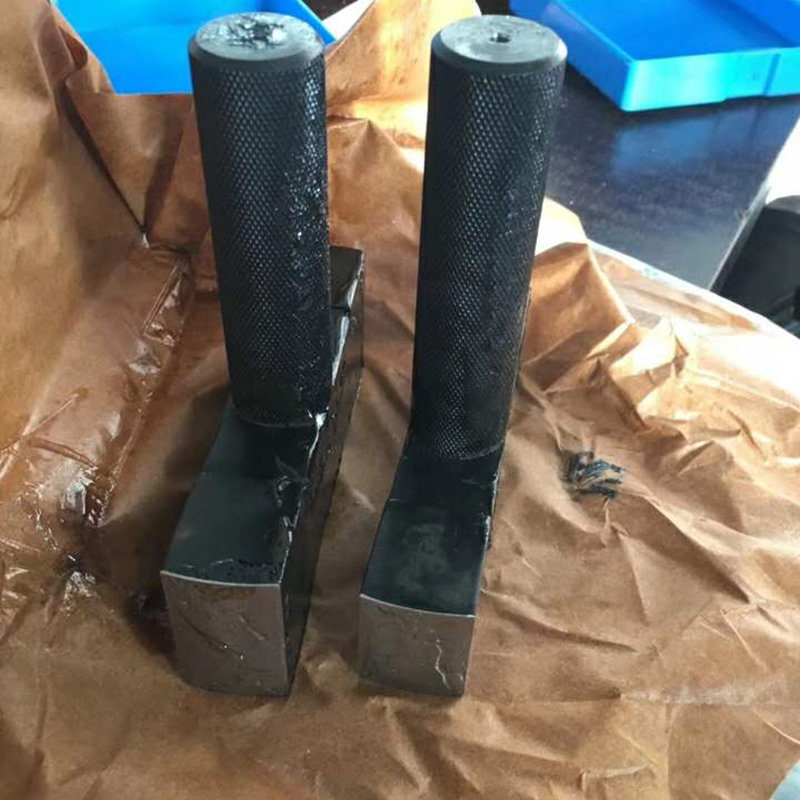
Valvola di ritegno da 4 pollici
La valvola di ritegno da 3 4 pollici è un componente essenziale nei sistemi idraulici e pneumatici.
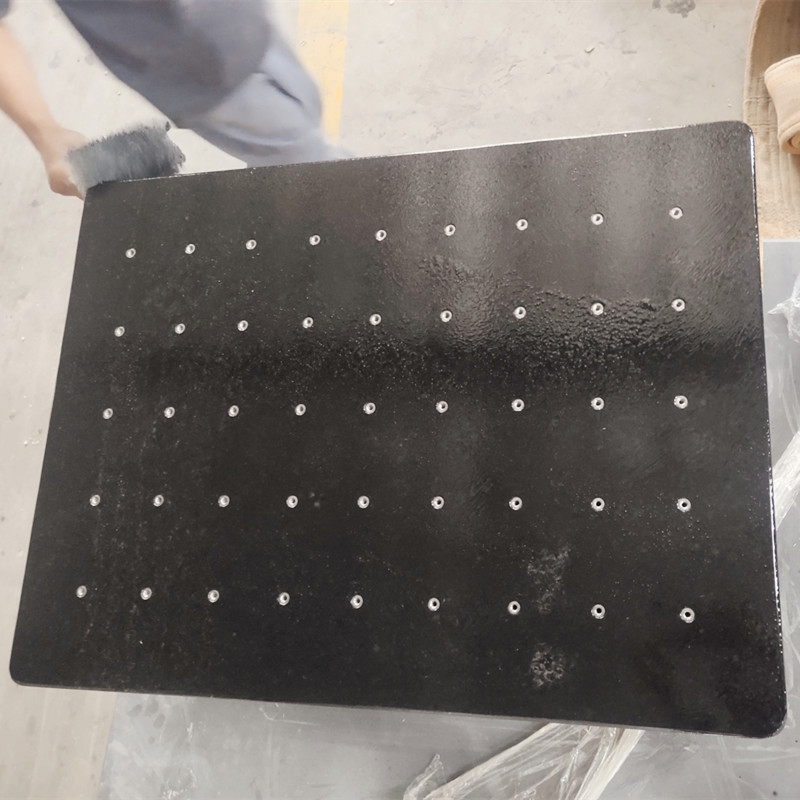
Using Pin Go-No Go Gauge for Precision Measurement in Manufacturing Applications
Understanding the Pin Go/No-Go Gauge A Key Tool in Quality Control In the realm of manufacturing and

Water Hose Shutoff Valve for Easy Control and Efficient Watering Solutions
The Importance of a Water Hose Shut-Off Valve A Garden Essential In the world of gardening and outdo
 English